
In the age of the digital revolution, one may wonder if business cards still work as they used to. A business card is not just a paper with contact details but a haptic expression of your brand. You can equate it to a perpetual handshake long after the meeting.
An expertly crafted card not only elicits an emotion but also narrates a story. So, how do you make a simple piece of paper become an instrument for your company? This article explains some design hacks that go beyond the fundamentals.
The Psychology of Paper
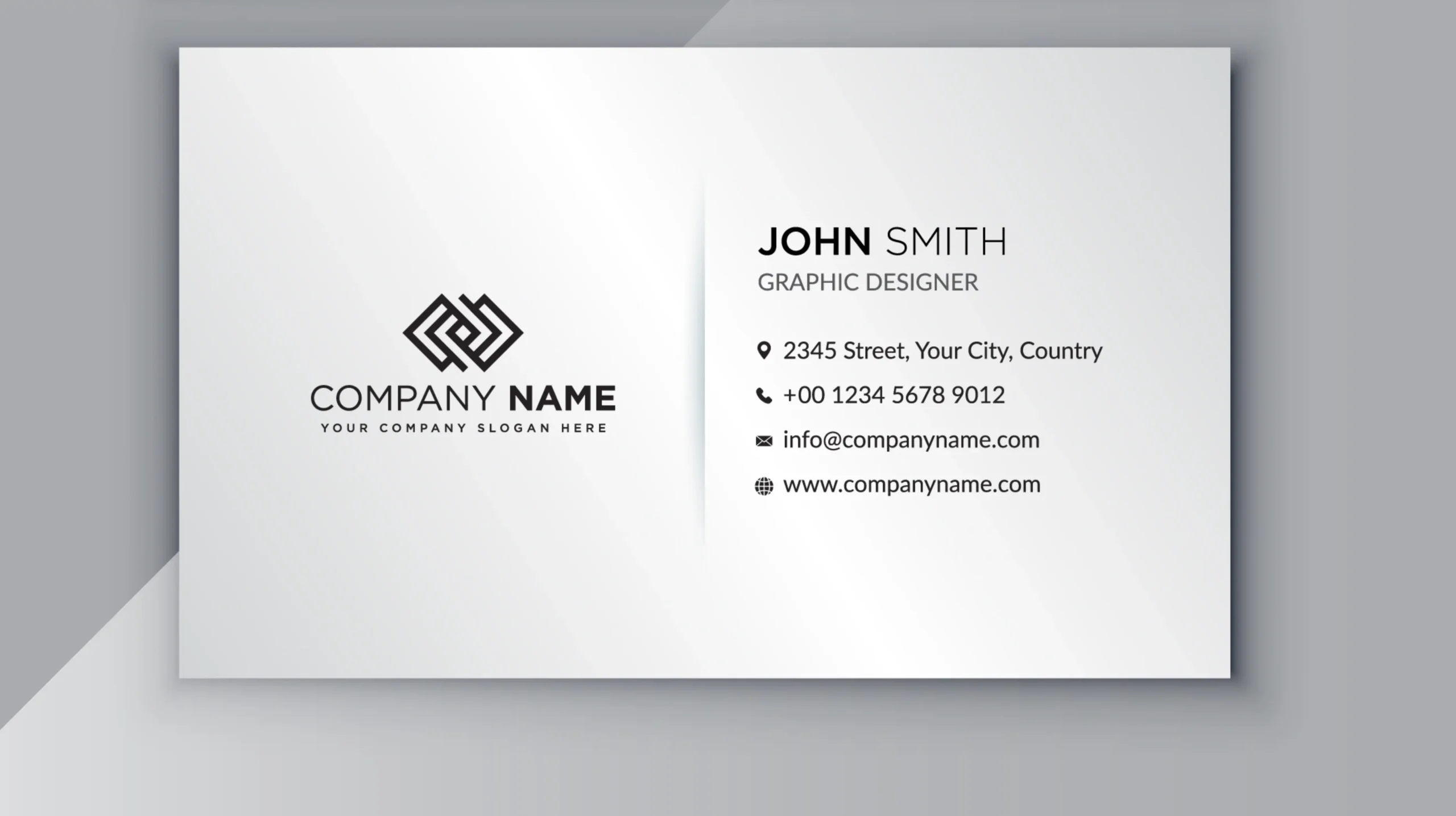
Let Us Design Your Next Business Card
Before you even think about color and fonts, think about paper. The thickness and texture of the card are the first impressions. A flimsy card seems cheap and temporary. On the other hand, a heavy, thick card with some texture speaks of quality and longevity.
It works by tapping into the sense of touch, so it is more of a memory. You can take things a notch higher by making sure it has a smooth and glossy finish. This goes a long way in giving it a clean and contemporary look. You can also get amazing results with matte or uncoated paper. This is because it provides a silky, refined texture, perfect for makers, thinkers, or eco-brands.
Embrace Space
One of the most frequent mistakes is trying to fit out all the card’s millimeter space. Too little information, logos, and slogans cause your card to be cluttered and difficult to read. In such a situation, your important information gets lost.
The white space is the area between your images and your text. Many would think they are leaving this space empty, but it is a design element. It allows for the eye to move, makes the card look professional and upscale, and makes the most important information pop. Keep in mind that your card has a focus point, mostly your name, so don’t overwhelm it. Leave some breathing room so it can shine. Place your information in order of importance.
Fonts and Readability
Your font tells a lot about your brand. Clear, easy-to-read fonts convey an aura of trust. You are showing people you are genuine and to the point in what you are doing. If someone can read your phone number easily, you have eliminated one contact hurdle.
Use two fonts: one for your header or your name and one for the contact details. Apply a readable font size that you won’t have to squint at.
Chosen Colors
The type of color you choose can grab attention and elicit emotions. Use your brand colors to make people aware of your card. But the catch is not to overplay it. Large, considerate splashes of color can make a huge impact for your name or your logo. They can make your card stand out from a stack of dull white cards.
When your brand colors are bold, reserve them for an accent instead of taking over the whole card. For instance, a black card with one bold blue stripe below your name can be very eye-catching. Do a test to ensure there is sufficient contrast between text color and background color. Light gray text against a white background is one of those traps that is hard to read.
The Modern Spin
How can your business card become more than a card? Think about its function. For a gardener, an action card with a leaf design printed on it can be recalled a long way. For a photographer, a card with an amazing, smaller-sized reproduction of their best work on the back can be a handy reference for their portfolio.
Those little special details, or finishes, transform your card into an experience. You could even consider having a clean QR code. This is a great gateway between the virtual and real world for businesses. It can send visitors to your portfolio, a personalized landing page, or your LinkedIn profile. This provides functionality without heavily encumbering the design.
Your business card is a small representative of your brand. It should well represent your professionalism, personality, and va